
Why Perth Water Is So Hard (And What It’s Doing to Your Home)
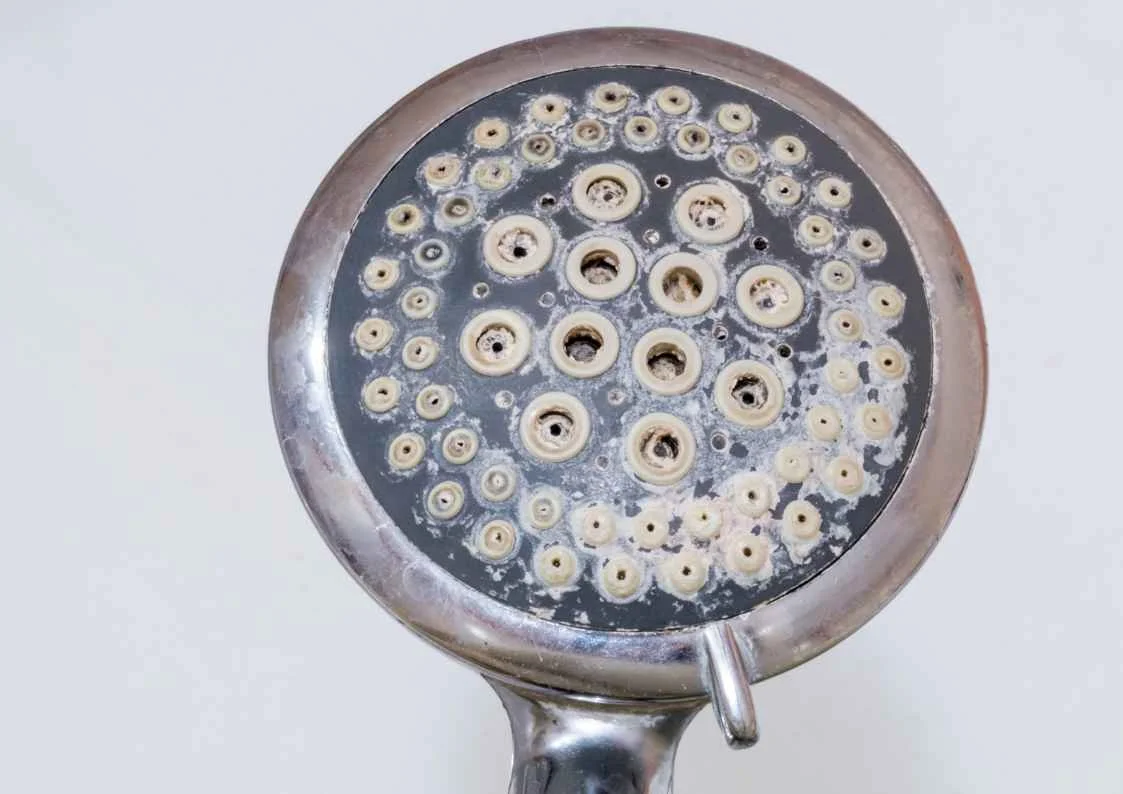
That white crust on your shower head? - A souvenir from Perth’s underground.
If you’ve ever scrubbed your shower glass only to find it cloudy again the next day — congratulations, you’ve met Perth’s infamous hard water. It’s the silent destroyer of shiny taps, clean dishes, and once-soft towels. And it’s not going anywhere on its own.
So, what exactly is hard water, why is Perth cursed with it, and how is it secretly costing you money every year?
What “Hard Water” Actually Means
Hard water simply means water that’s high in dissolved minerals — mainly calcium and magnesium. It’s not toxic, but these minerals leave residue when water evaporates. That’s the chalky stuff on your taps, glass, and kettle.
Think of it like Perth’s version of beach sand: gets everywhere, looks harmless, but somehow ruins everything it touches.
Why Perth’s Water Is So Hard
Here’s the science: Perth’s water mostly comes from the Gnangara Mound aquifer, a giant underground sponge of limestone and sand. As groundwater moves through it, it picks up minerals — calcium, magnesium, carbonates — turning what started as rainwater into a mineral cocktail.
On top of that, Perth also blends groundwater with desalinated and surface water depending on the season. The result? A unique mix that keeps your kettle working overtime.
To put numbers to it:
Perth’s water hardness averages around 120–250 mg/L of calcium carbonate, officially classified as hard.
Anything above 200 mg/L is considered very hard water.
Some northern suburbs (like Yanchep to Joondalup) record the highest mineral content in the metro area.
The Everyday Damage It Causes
You might not see the problem straight away, but hard water quietly wreaks havoc:
Soap Scum & Dry Skin: Hard water doesn’t let soap lather properly, leaving that squeaky feeling on your skin that isn’t cleanliness — it’s residue.
Stiff Laundry: Minerals cling to fabric fibres, so towels feel rough even with fabric softener.
Appliance Death: Kettles, dishwashers, washing machines — all slowly choke on scale buildup. A 3 mm layer of scale in a hot water system can increase energy use by 30%.
Cloudy Glass & Taps: Those “water stains” are actually mineral deposits that etch surfaces if left long enough.
In short, your house is fighting a constant mineral invasion.
The Cost Nobody Talks About
Between energy efficiency loss, appliance replacements, and endless cleaning products, hard water quietly eats into your wallet. Replacing a scaled-up hot water system can cost upwards of $2,000 — and most people don’t even realise water hardness was the cause.
Then there’s the time tax: how many hours a month are you spending scrubbing your shower glass? Exactly.
So, What Can You Do About It?
You can’t move house — because guess what, the whole Perth basin sits on the same mineral bedrock. The fix isn’t relocation; it’s filtration.
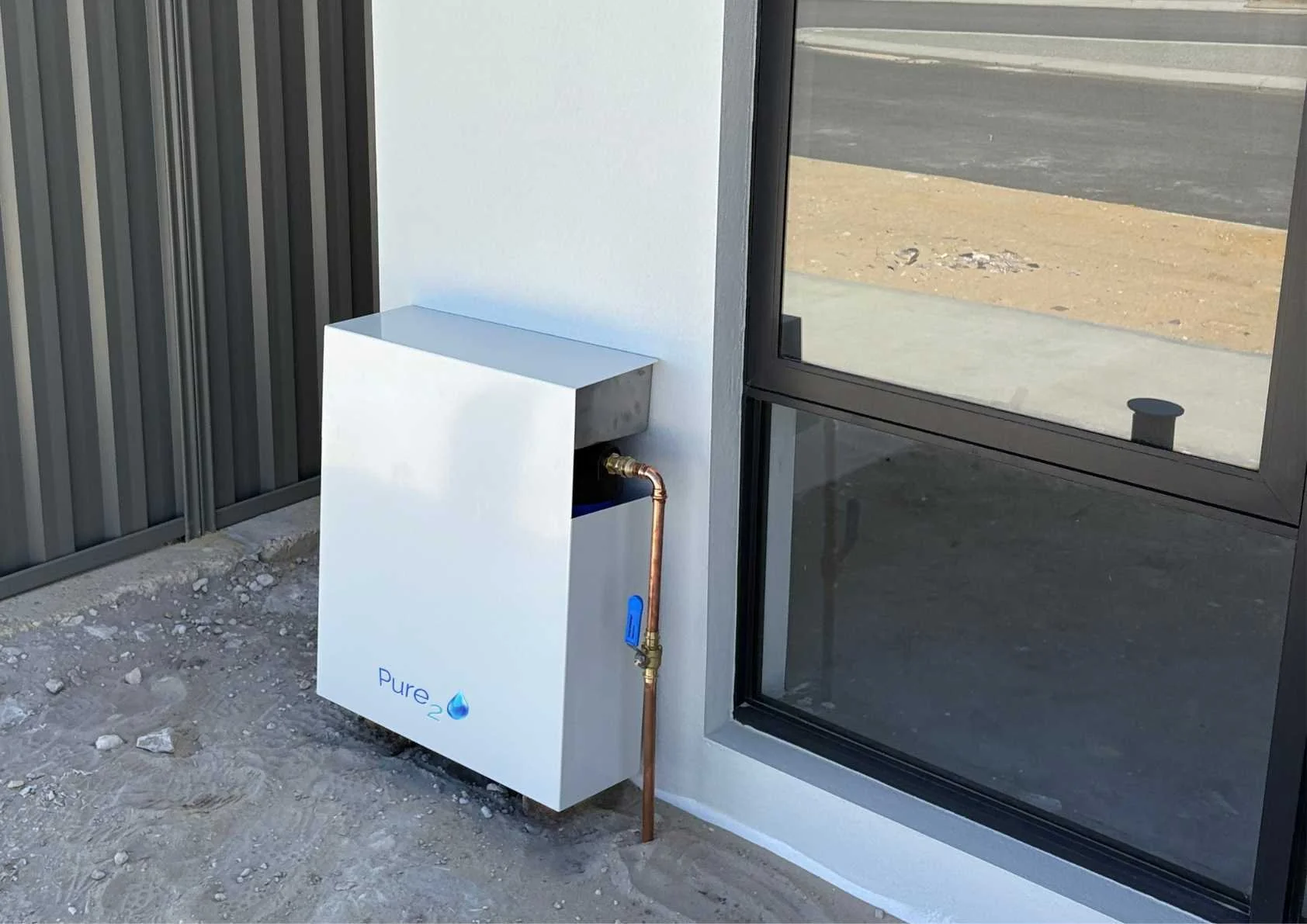
A whole-home filtration system from Pure₂O removes sediment and chlorine first, then softens the water to drastically reduce hardness. The result?
Softer, cleaner water from every tap.
Longer-lasting appliances.
Showers that actually leave your skin smooth.
And peace of mind that you’re not slowly turning your plumbing into a stalactite cave.
Final Thought
Hard water might be a Perth trademark, but living with it isn’t mandatory. The minerals may come from deep underground, but the solution’s as simple as installing one solid system above ground.
If you’re tired of fighting cloudy glass and crusty taps, maybe it’s time to let your water do the cleaning — not the dirty work.
Ready to see the difference?
Book your Free On-Site Water Test & Consultation with Pure₂O today.
Cleaner water. Softer showers. Longer-lasting appliances.
