
How Perth Tap Water Is Treated
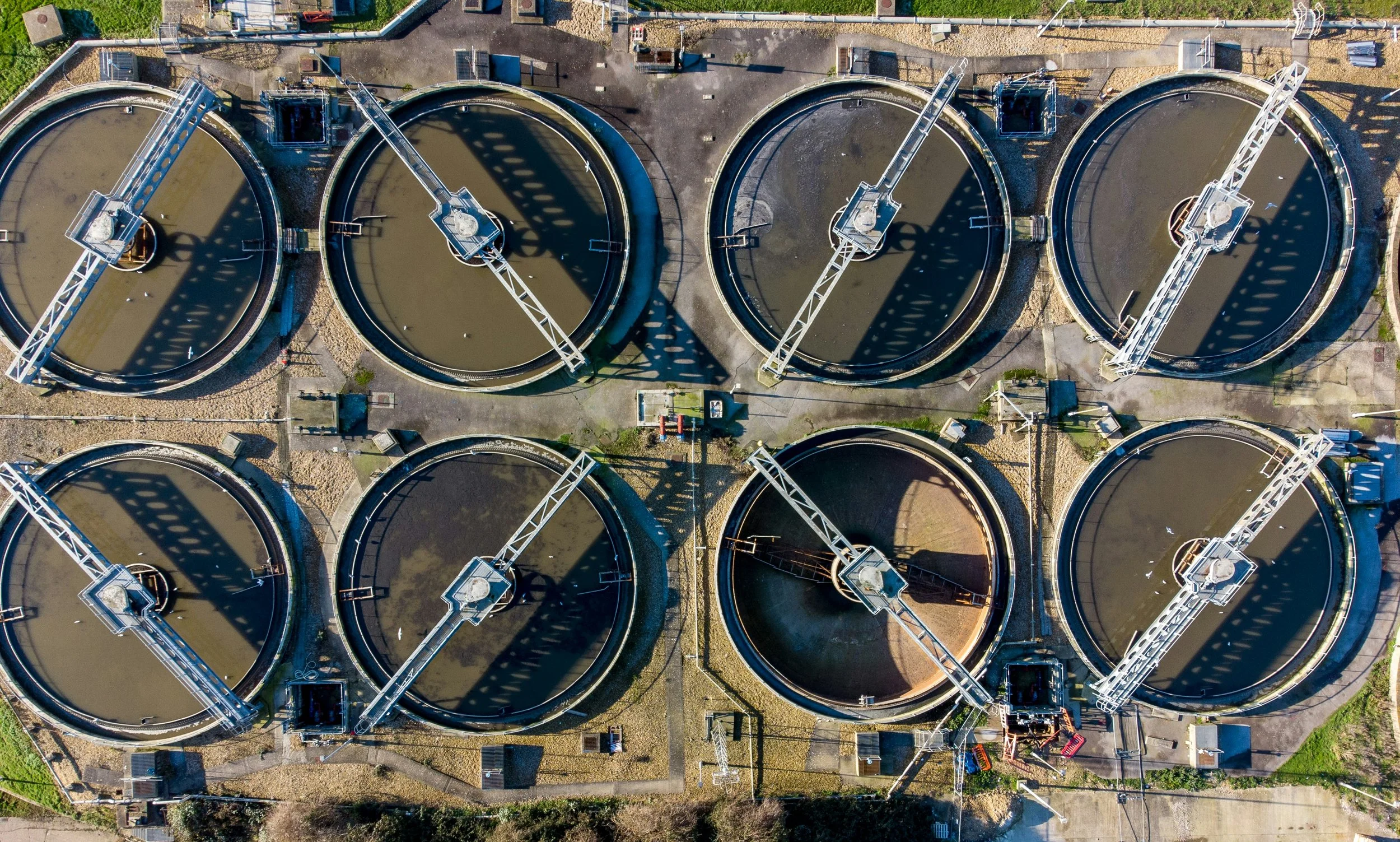
Perth’s extensive water treatment process - you aren’t getting “fresh” water per se.
And Why “Safe” Water Can Still Be a Chemical Cocktail By The Time It Reaches Your Home
Let’s metaphorically dive into the water coming from your taps. Most people assume Perth tap water is clean because it has already been treated. But what does ‘treated’ mean exactly?
Water treatment is designed to process enormous volumes of water, fast, and get it to a standard that is considered safe under the Australian Drinking Water Guidelines, then keep it biologically stable as it travels through tens of kilometers of distribution piping network. In 2023–24, Water Corporation’s Integrated Water Supply Scheme delivered just over 332 billion litres to more than 858,000 Perth and Mandurah property connections. These figures are mind blowing on their own, and beyond just an industrial-scale operation.
When you understand what that process actually involves, the picture changes.
The water arriving at your home did not start out pristine. It started as groundwater, dam water, desalinated seawater, and replenished groundwater. In Perth’s Integrated Water Supply Scheme in 2023–24, supply was about 45.1% desalination, 32.8% surface water, 21.4% groundwater and 0.7% groundwater replenishment. Each source brings its own treatment challenge, and each has to be pushed through a system built for volume, reliability and regulatory compliance, not boutique water quality at the tap.
So let’s strip the process back and look at what really happens before that water reaches your shower, your kettle, your dishwasher and your kids’ glasses.

Perth’s water is not properly filtered by any means directly from the tap
Perth’s water does not begin life “clean”
Before treatment, source water can carry sediment, organic matter, dissolved gases, metals, colour, turbidity and a range of contaminants that utilities have to monitor and manage. Water Corporation states that Perth groundwater may need treatment for iron, manganese, colour, turbidity, carbon dioxide and hydrogen sulphide, while its public reporting also confirms ongoing monitoring for PFAS, with scheme water compliant with the current draft PFAS guidelines.
That is the part the average homeowner never sees.
They turn on a tap and imagine “fresh water.”
What they are actually getting is water that has been sourced from the environment, chemically processed, disinfected, stabilised, pumped, stored, pushed through kilometres of pipework, and deliberately dosed so it can survive the trip without turning into a microbiological problem.
That is a very different thing.
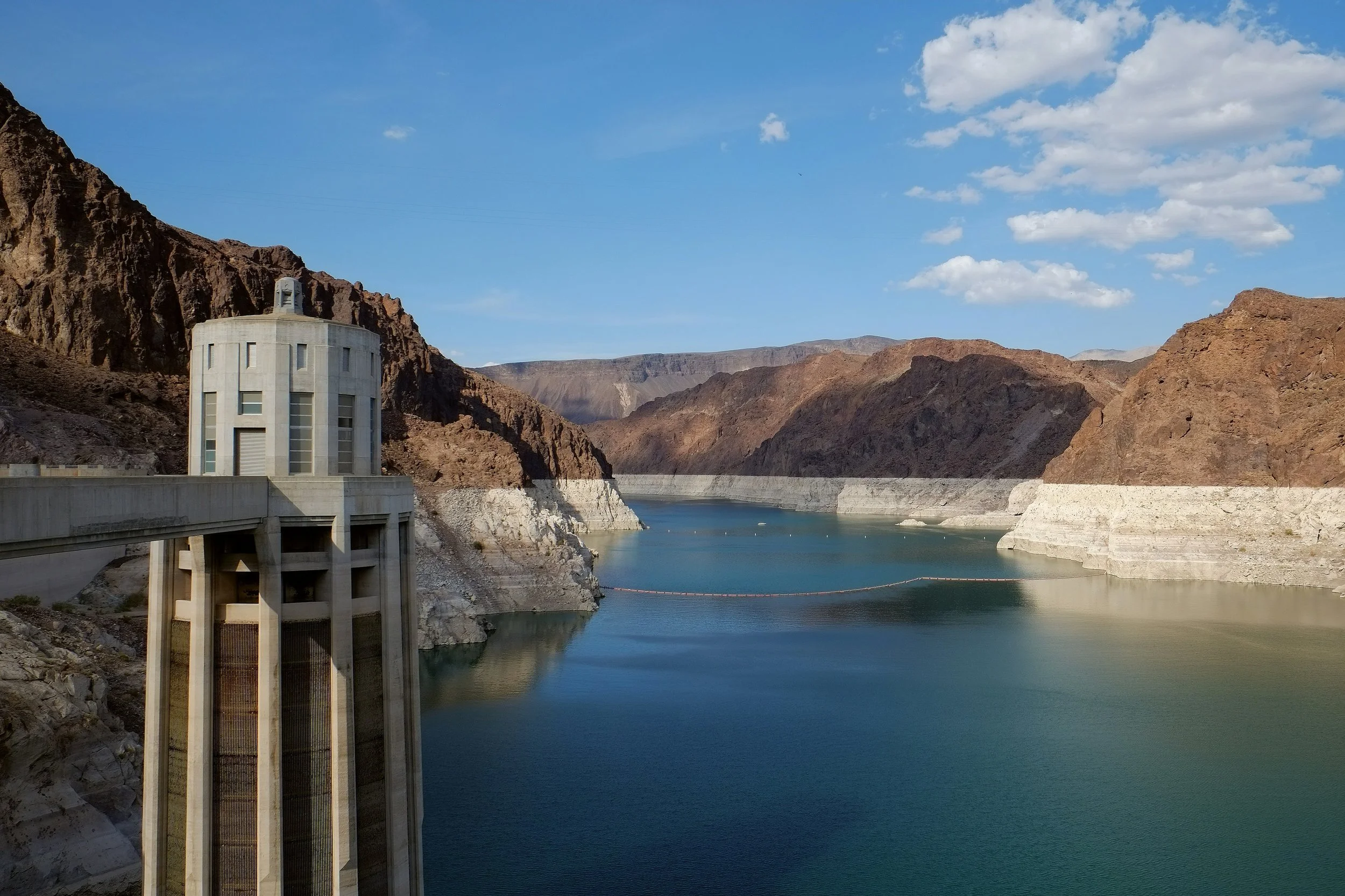
Perth’s drinking water comes from a mix of sources, including dams, and requires an extensive filtration process.
Step 1: Collection
Perth draws water from multiple sources because one source is not enough
Perth is not just drawing pristine mountain spring water from one protected reservoir.
Its drinking water mix comes from:
desalinated seawater
dams and other surface water catchments
groundwater aquifers
groundwater replenishment
That alone tells you a lot. The city needs multiple sources because rainfall-dependent supply is no longer enough on its own. Water Corporation’s own reporting shows desalination and groundwater replenishment are classed as climate-independent sources, and desalination now supplies a huge share of Perth’s scheme water.
Each of these sources starts with different problems.
Groundwater can carry dissolved gases, iron and manganese. Surface water can bring higher organic load, colour, runoff influence and microbial risk. Seawater obviously has to be stripped of salt through an energy-intensive membrane process. Recycled water used in groundwater replenishment goes through multiple advanced treatment barriers before recharge. None of this is a “natural spring straight to the tap” story.
Step 2: Oxidation and chemical conditioning
This is where treatment starts looking more like industrial chemistry than “clean water”
For Perth groundwater treatment plants such as Jandakot, Wanneroo, Lexia, Mirrabooka, Neerabup and Gwelup, Water Corporation says the water is oxidised through aeration and/or chlorination. The purpose is to increase dissolved oxygen, strip out gases like carbon dioxide and hydrogen sulphide, and precipitate iron and manganese so they can be removed later.
That matters, because this is not just water being “filtered.”
It is being chemically manipulated so contaminants change form and become easier to separate out.
If the raw water contains dissolved metals or gases, you cannot just run it through a simple sediment cartridge and call it a day. The chemistry has to be shifted first. In other words, the plant is not dealing with pure water. It is dealing with problematic source water that has to be processed into something stable enough for the next stage.
Step 3: Coagulation and flocculation
Tiny contamination is turned into bigger contamination so it can be removed
Water utilities do not just strain water like pasta.
Very small particles, organic matter and fine suspended material often will not settle or filter out efficiently on their own. So coagulants are added. In Perth groundwater treatment, Water Corporation specifically says aluminium is added to increase settling of fine particles caused by iron and natural organic matter.
This is a key point.
The treatment plant is not producing “pure” water in one elegant pass. It is forcing contaminants to clump together so they become manageable in bulk. That is what large-scale municipal treatment is built to do. It is engineered for throughput. It is engineered to take ugly raw water and make it passable and safe at scale.
That is not the same thing as polishing water to a premium standard for what ends up on your skin, in your tea, or running through your coffee machine every morning.
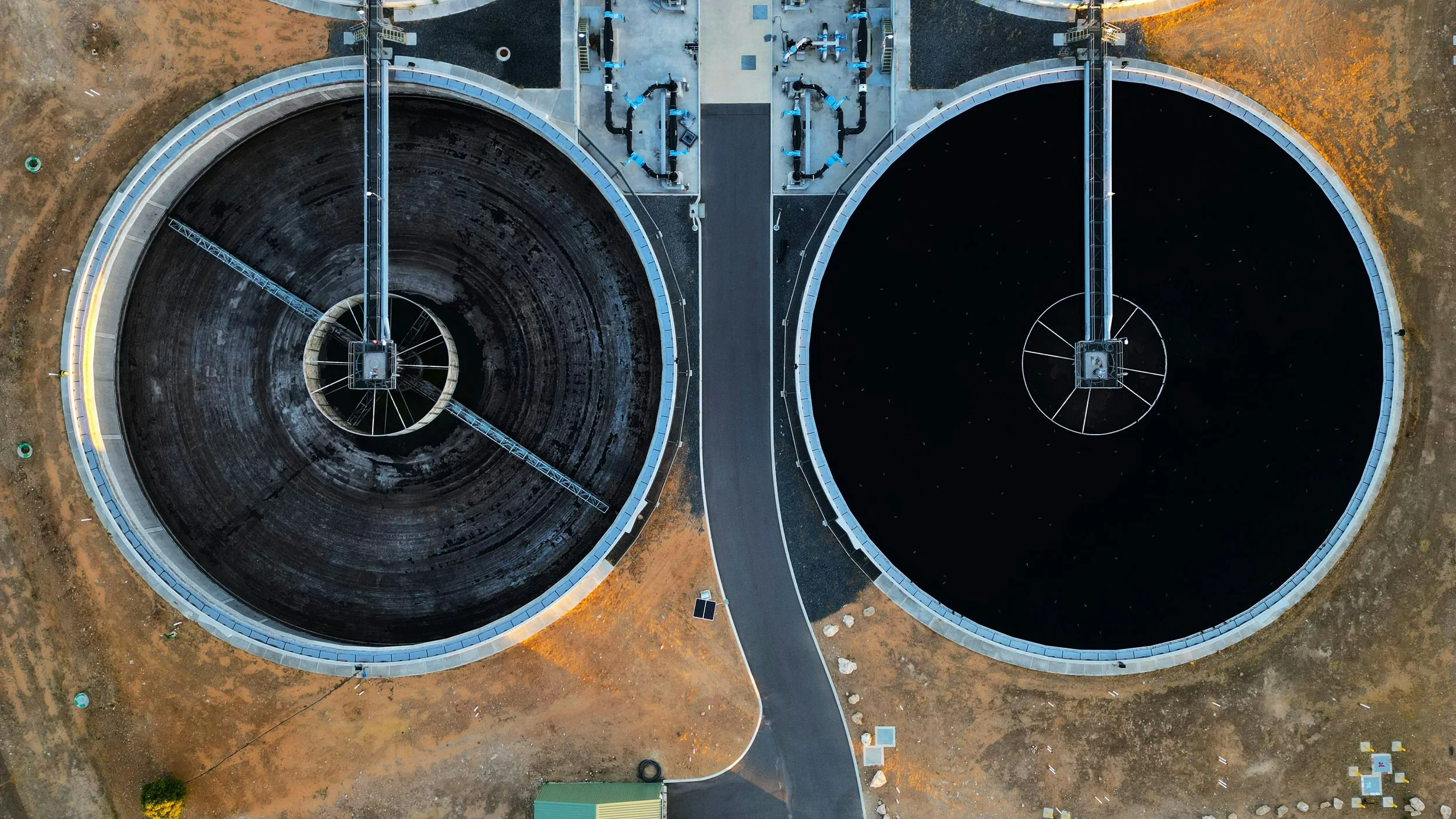
“Treated water” water does not equate to “highly refined water.”
Step 4: Clarification and sedimentation
The plant separates out the heavier mess, then keeps moving
Once coagulants have done their job, the water moves into clarification or sedimentation stages where the heavier floc can settle and be removed. This is about taking out the bulk load fast enough that downstream filters are not overwhelmed.
Again, this is a production mindset.
The plant is handling millions of litres. It is removing the heavy and obvious problem first so the water can keep moving. It is not pausing to give every litre a boutique finish. The priority is to produce a stable treated supply across an entire city.
That distinction matters because a lot of homeowners hear “treated water” and assume “highly refined water.” Municipal treatment is refined enough to meet standards. That is not the same as refined enough to be ideal in the home.

A range of treatment processes are used to remove particles and pathogens, including sand filtration, media filtration, and ultrafiltration.
Step 5: Filtration
This is not the kind of filtration most homeowners imagine
After clarification, Water Corporation says clarified groundwater then passes through sand filters to remove remaining particles. In other parts of the network, some schemes may also use media filtration or ultrafiltration as an additional pathogen-removal barrier where needed.
This is where people get misled by the word “filtered.”
Municipal filtration is generally there to reduce turbidity, remove suspended solids, and support the disinfection process. It is not the same as running water through a dense carbon block at the point it enters your home. It is bulk treatment, not final polishing.
And even after the treatment plant has done its part, that water still has to travel through the network.
Which brings us to the part nobody likes talking about.
Step 6: Disinfection
The water is dosed with chemicals because otherwise the distribution network becomes a public health problem
This is the big one.
Utilities disinfect water because if they do not, bacteria and other microorganisms can multiply through the system and make people sick. The Australian Drinking Water Guidelines are very clear that maintaining a disinfectant residual through the network is standard practice in chlorinated and chloraminated supplies. It provides protection against backflow, ingress, Naegleria, and helps inhibit biofilm growth.
That is why chlorine and chloramine are there.
Not because they taste good. Not because they are pleasant to shower in. Not because they are a premium drinking-water experience.
They are there because the network needs a chemical bodyguard all the way to the consumer.
The NHMRC guidance says chloramination is especially useful where persistence is a key advantage, particularly in long or complex distribution systems with extended detention times. Water Corporation likewise explains that chloramination involves adding chlorine and ammonia so they react to form chloramines, which persist in the supply system for a long period.
That persistence is good for the utility.
It is not necessarily what you want at home.
Because persistent disinfectants are exactly what people often notice as:
chlorine taste
pool smell
water that feels harsh in the shower
dry skin
dull hair
lingering chemical odour from hot water
Safe? Yes, within guideline settings.
Pleasant? Not always.
Premium? Definitely not.
Step 7: The pipe network
This is where treated water starts becoming network water
Even if water leaves a treatment plant in good condition, it does not teleport into your kitchen.
It moves through storages, mains, branch lines, valves, dead ends, pressure changes and pipe surfaces that have their own history. The Australian Drinking Water Guidelines note that chlorine decay through the network is influenced by water age, temperature, biofilm growth, and the condition of pipes and storages.
That is the ugly truth behind the disinfectant residual.
The residual exists because water does not travel through a sterile glass tube. It travels through infrastructure. And infrastructure ages.
As disinfectant residual falls with time and distance, utilities monitor and adjust dose to keep a target residual through as much of the network as possible. Again, that is a public health necessity. But it also means the water at your house is not simply “source water plus treatment.” It is water that has been treated, dosed, transported, aged and managed to survive the trip.
Step 8: Biofilm
The slimy word water authorities do not use in marketing brochures
Biofilm is one of those terms most homeowners never hear, but it matters.
The Australian Drinking Water Guidelines specifically say chlorine residual helps inhibit biofilm growth in the distribution system. That wording alone tells you the issue is real enough to be part of national guidance.
What is biofilm?
It is a thin microbial layer that can develop on wet internal surfaces. Pipes are wet internal surfaces. Storages are wet internal surfaces. Once a water network exists, biology is always trying to establish itself. The disinfectant residual is part of what keeps that under control.
So when homeowners ask, “Why is chlorine in the water at all?” the answer is simple.
Because the utility cannot afford to send unprotected water through a giant pipe network and hope for the best.
Without that chemical residual, the risk profile changes fast.
That is good for public safety.
It is not good for anyone pretending municipal water is some untouched, naturally perfect product by the time it reaches the home.
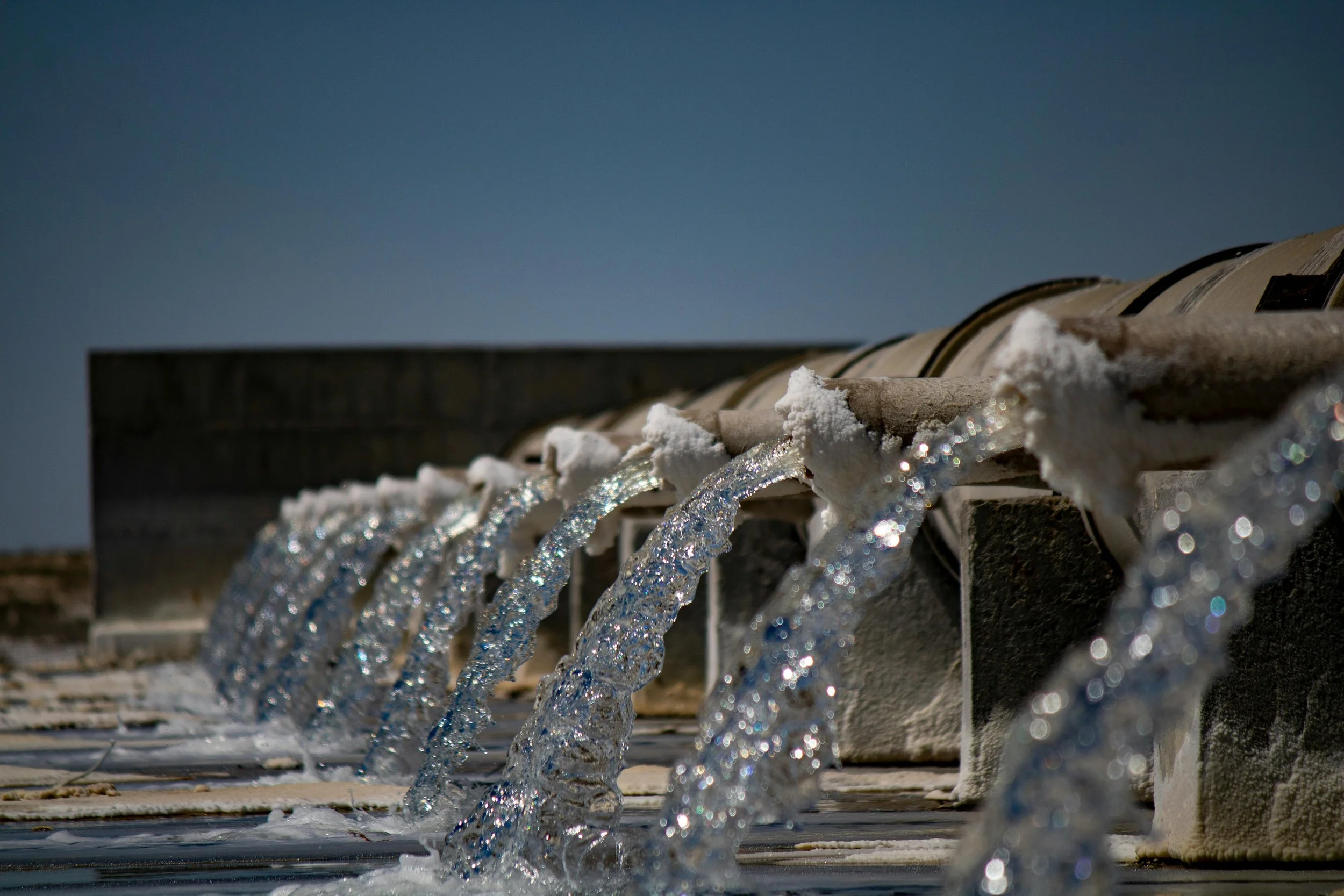
Perth’s seawater desalination plant produces up to 50 billion litres of drinking water each year.
Step 9: Desalination
Perth’s biggest climate-independent source still relies on an industrial process
Desalination is a major part of Perth’s supply. Water Corporation’s Perth Seawater Desalination Plant has capacity for 50 billion litres per year, and desalination as a whole made up 45.1% of the IWSS in 2023–24.
That does not mean desalinated water is bad. It means it is industrially manufactured drinking water.
It starts as seawater and is pushed through reverse osmosis and associated pre-treatment systems. The Water Corporation also notes that brine from desalination can contain small amounts of anti-scalants, coagulants and cleaning agents, all of which must be approved for drinking water treatment use.
Again, this is not a romantic purity story. It is a sophisticated treatment story.
Perth water is heavily engineered.
And once that desalinated water is blended into the wider scheme, it still enters the same distribution reality as every other source: storage, pumping, residual disinfectant, pipe contact, and delivery to the home.
“Safe” and “ideal” are not the same thing
This is the line that matters.
Water Corporation reports 100% compliance with health-related chemical criteria in 2023–24 for its localities, and says all scheme drinking water supplied is compliant with the new draft PFAS guidelines.
That is important, and it should be said plainly.
But compliance does not mean the water is perfect.
It does not mean there is no chlorine taste.
It does not mean there is no residual chloramine, PFAS, microplastics, heavy metals, or other contaminants.
It does not mean there is no fine sediment or network-related particulate load.
It does not mean it is optimised for skin, hair, glassware, kettle elements or coffee machines.
It does not mean it tastes the way premium water should taste.
It means the utility has done what it is designed to do: deliver water that meets the guideline framework across a city-scale system.
That is a different objective from what homeowners actually want inside their homes.

The water that reaches your tap has undergone extensive chemical treatment.
So what reaches your house?
By the time water reaches your property, it is no longer just “water.”
It is treated water that has:
Been sourced from groundwater, surface water, desalination and replenished groundwater
Been oxidised, clarified and filtered
Been chemically disinfected so it can survive the journey
Spent time in storages and pipework
Been managed around chlorine decay, water age and biofilm risk
That is why so many people describe scheme water as a chemical cocktail.
Not because the utility is doing something wrong.
Because large-scale municipal water treatment is a compromise by design. It has to be. It is balancing microbiological safety, chemical dosing, infrastructure condition, travel distance, cost and volume every single day.
And that means what is “good enough for the grid” is often nowhere near what a family wants at the tap.
Where Pure₂O comes in
Municipal treatment gets water to your street. Pure₂O refines it for your home.
This is the gap a whole-house system is built to fill.
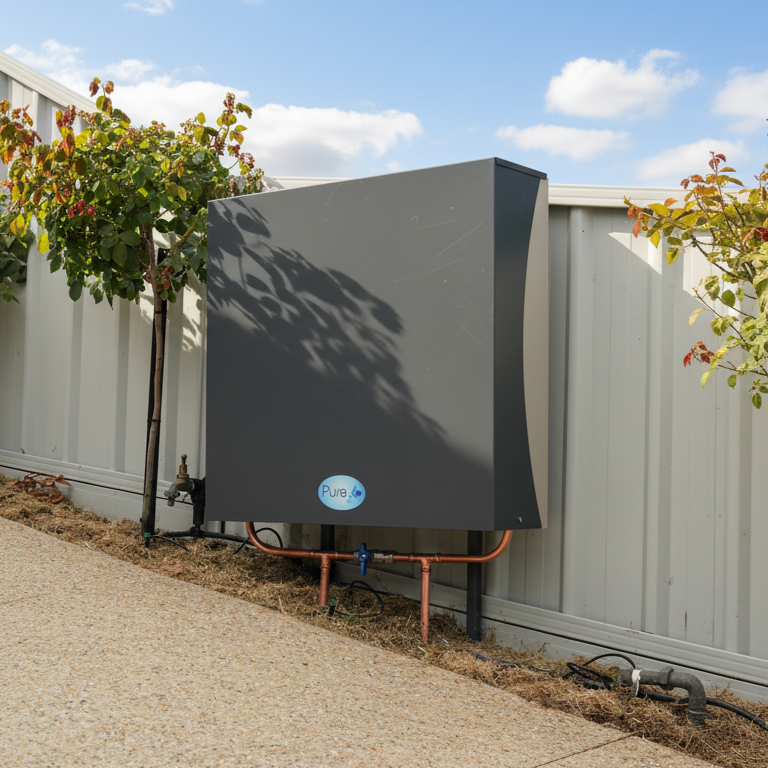
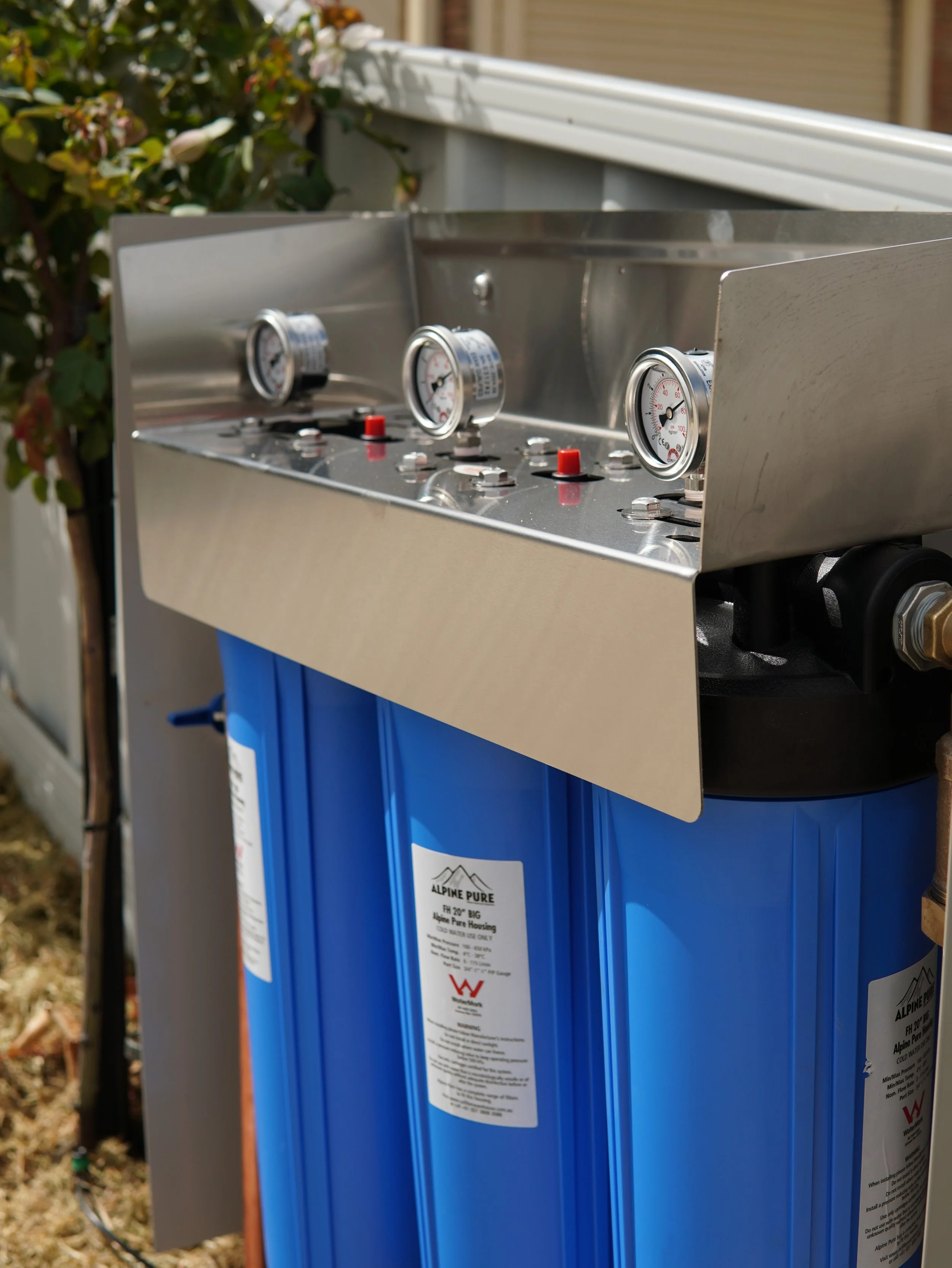
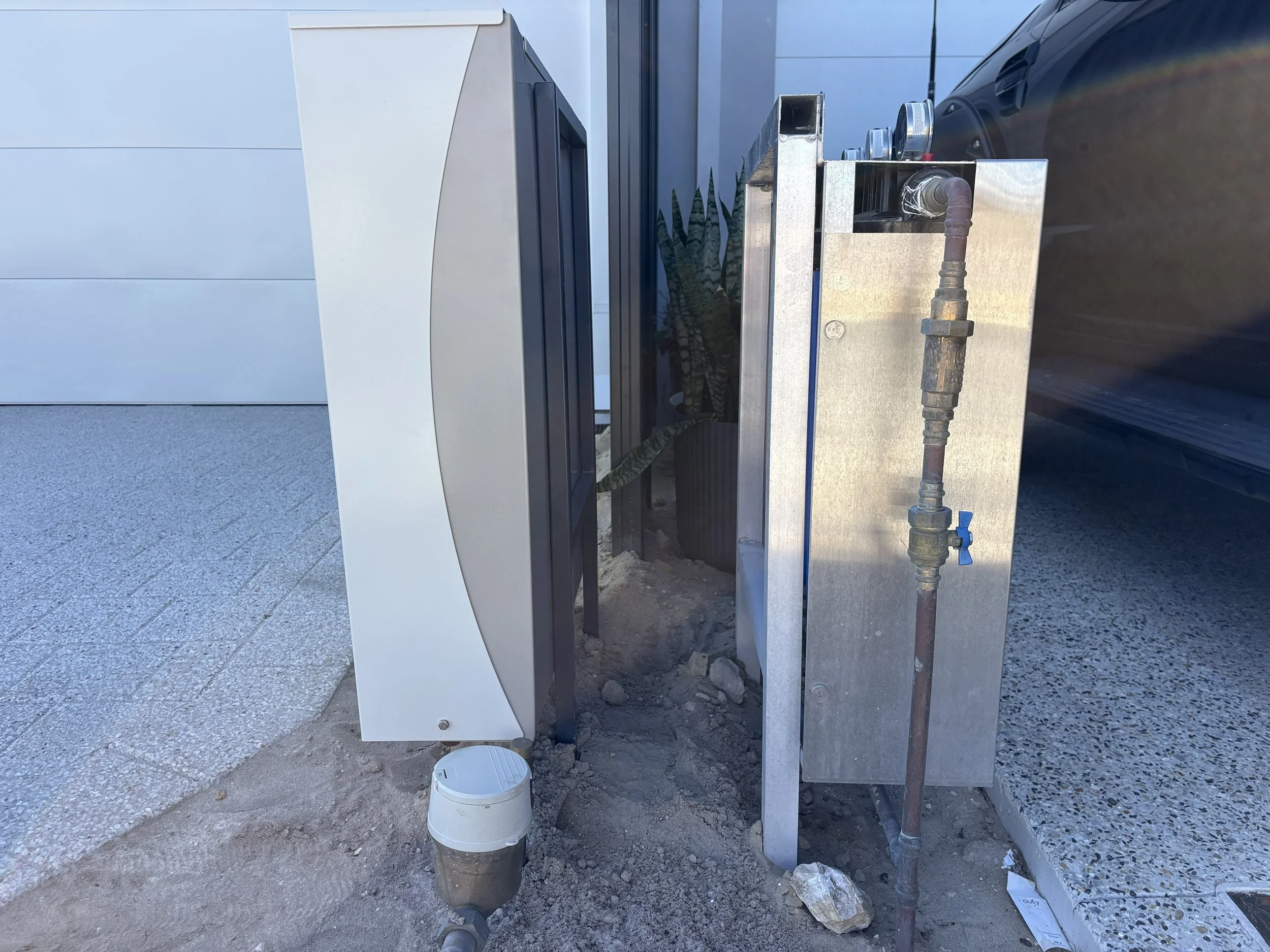
A Pure₂O 3-stage whole-house system is installed at the point the water enters your property, so you are not just accepting whatever the network delivers. You are refining it before it reaches your showers, kitchen, bathrooms and appliances.
Our Perth whole-house systems use standard 20” x 4.5” Big Blue housings and a staged approach:
Stage 1 – 1 micron sediment filtration
Captures fine sediment, rust, dirt and particulate load before it moves deeper into your home.
Stage 2 – 0.5 micron carbon block
Targets chlorine, chloramine, taste and odour compounds, and is selected to reduce contaminants such as PFAS where present.
Stage 3 – 0.22 micron carbon block
Provides an ultra-fine final polishing stage to further reduce very fine particulate load and improve overall water quality at every tap.
That is the difference between municipal bulk treatment and true point-of-entry refinement.
The utility has to process the city.
Pure₂O only has to protect your home.
And that allows for a very different result.
What homeowners usually notice first
When people install a proper whole-house system, the first changes are often obvious:
no more strong chlorine smell when the shower heats up
better tasting water from every tap
water that feels less harsh on skin and hair
less sediment load reaching taps, mixers and appliances
cleaner water quality across the whole house, not just one sink
That is because you are no longer relying solely on the treatment plant’s version of “finished.” You are adding a final stage where it actually matters: right before use.
Our Final word
Perth’s municipal water treatment system does exactly what it is meant to do.
It keeps an enormous city supplied with water that is safe under the guideline framework.
But to do that, it has to treat at scale, dose at scale, and protect the network with residual disinfectants. It has to prioritise speed, consistency and public health across billions of litres.
That does not create perfect water.
It creates managed water.
And if you want cleaner, better tasting, lower-chemical water at every tap in your home, you do not fix that problem at the treatment plant.
You fix it at the point the water enters your property.
That is exactly what Pure₂O is built for.
Want cleaner water across your entire home?
If you are in Perth and want to reduce chlorine, chloramine, fine sediment and improve water quality throughout the house, Pure₂O installs premium whole-house filtration systems built for local conditions.
Book an installation quote and we’ll show you exactly what’s possible at your property.
