
PFAS, Forever Chemicals & Its Effect On Your Health
PFAS, short for per and polyfluoroalkyl substances, are a group of manufactured chemicals that have been used since the 1950s in everything from non stick cookware to waterproof fabrics and firefighting foam. Because they resist breaking down naturally, they have earned the nickname forever chemicals, and they have now been detected in soil, food and water supplies around the world. This guide explains what PFAS are, how they end up in drinking water, what the research says about their effect on your health, and what you can do if you are concerned about pfas in water at home.
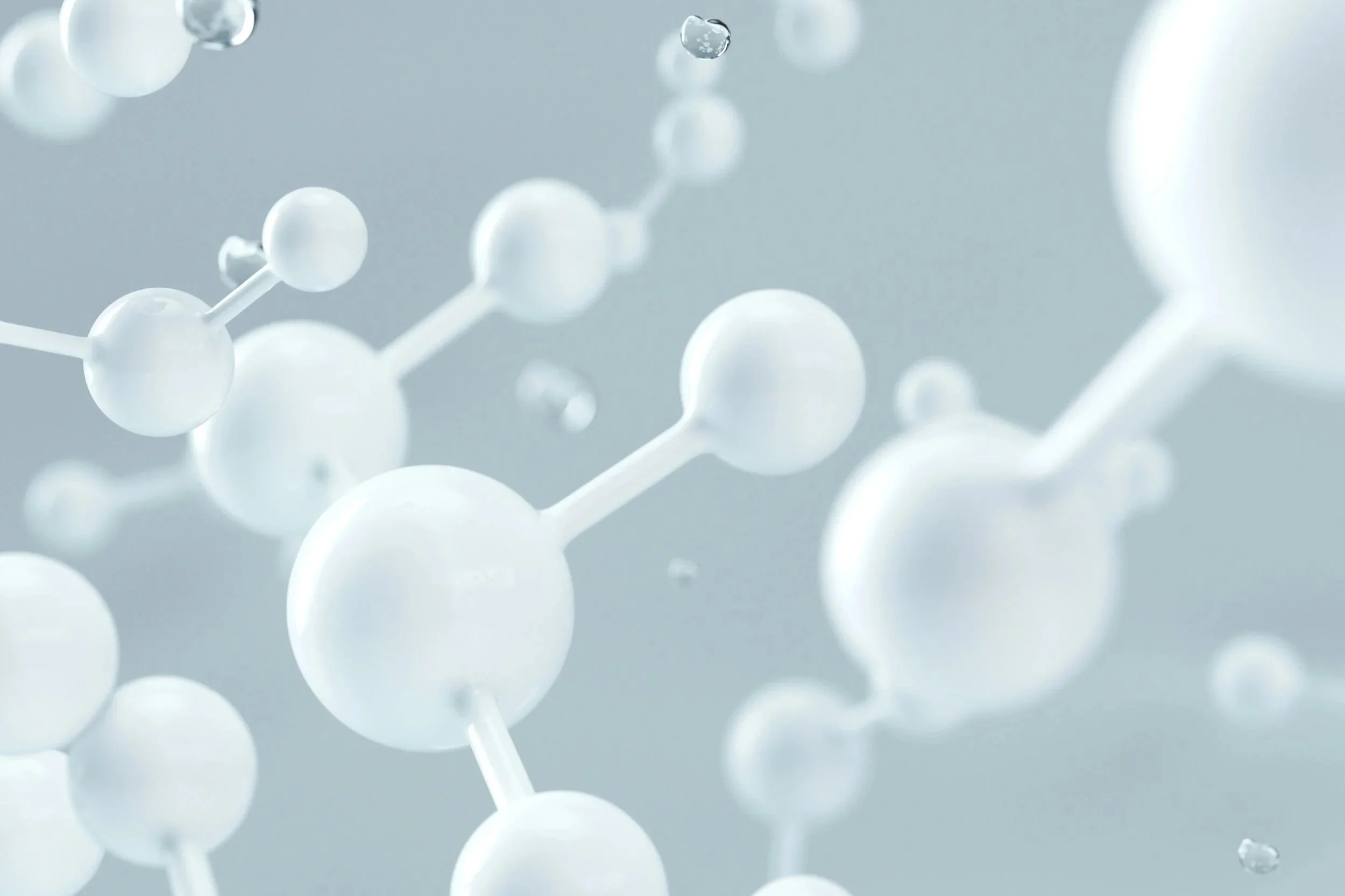
PFAS, also known as “Forever Chemicals”
What Are PFAS (“Forever Chemicals”)?
PFAS is an umbrella term covering more than 4,000 individual chemicals that share a similar structure, a chain of carbon atoms bonded tightly to fluorine. That carbon fluorine bond is one of the strongest in organic chemistry, which is exactly what makes PFAS so useful commercially. It is also why these chemicals resist heat, water and oil so effectively, and why they persist in the environment and in the human body for years rather than breaking down.
PFAS Quick Facts
| Property | Detail |
|---|---|
| Full Name | Per and polyfluoroalkyl substances |
| Number of Compounds | More than 4,000 identified chemicals |
| Why “Forever Chemicals” | Carbon fluorine bonds resist natural breakdown for decades |
| Common Sources | Firefighting foam, non stick cookware, waterproof fabrics, food packaging |
| Persistence in the Body | Some PFAS can remain in the bloodstream for years |
How Do PFAS Get Into Drinking Water?
PFAS most commonly enter water supplies through industrial discharge, landfill runoff and the use of PFAS containing firefighting foam at airports, defence bases and fire training facilities. Once released, these chemicals move easily through soil and can contaminate groundwater, bores and, in some cases, the catchments that supply mains drinking water. Because PFAS do not break down naturally, contamination in groundwater can persist for decades after the original source has been removed.
Health Effects Linked to PFAS Exposure
Research into PFAS and human health is ongoing, and scientists are still working to understand the full picture. That said, population level studies have associated long term PFAS exposure with a number of health outcomes, including:
Increased cholesterol levels
Changes in liver function
Reduced response to some vaccines
Increased risk of kidney and testicular cancer in highly exposed populations
Thyroid disease
Pregnancy related complications, including lower birth weight
These associations come from studies of populations with significant, often long term exposure, and they do not mean any individual exposure will lead to these outcomes. If you have specific health concerns related to PFAS exposure, speak with your doctor.
How Common Is PFAS in Water?
PFAS contamination is not limited to a handful of isolated sites. National testing programs in several countries, including the United States and Australia, have detected measurable PFAS in water supplies near industrial areas, airports and defence facilities. Levels vary enormously depending on proximity to a known contamination source, with the highest readings generally found in groundwater and private bores close to sites where PFAS containing firefighting foam was used regularly.
Forever Chemicals Australia: Where Contamination Has Been Found
In Australia, PFAS contamination has been most closely linked to sites where firefighting foam was used extensively, particularly current and former defence bases. Investigations have identified elevated PFAS levels around RAAF Base Williamtown in New South Wales, Oakey in Queensland and Katherine in the Northern Territory, along with a number of other defence and airport sites across the country. State environmental agencies have since expanded monitoring to include industrial sites and landfills more broadly.
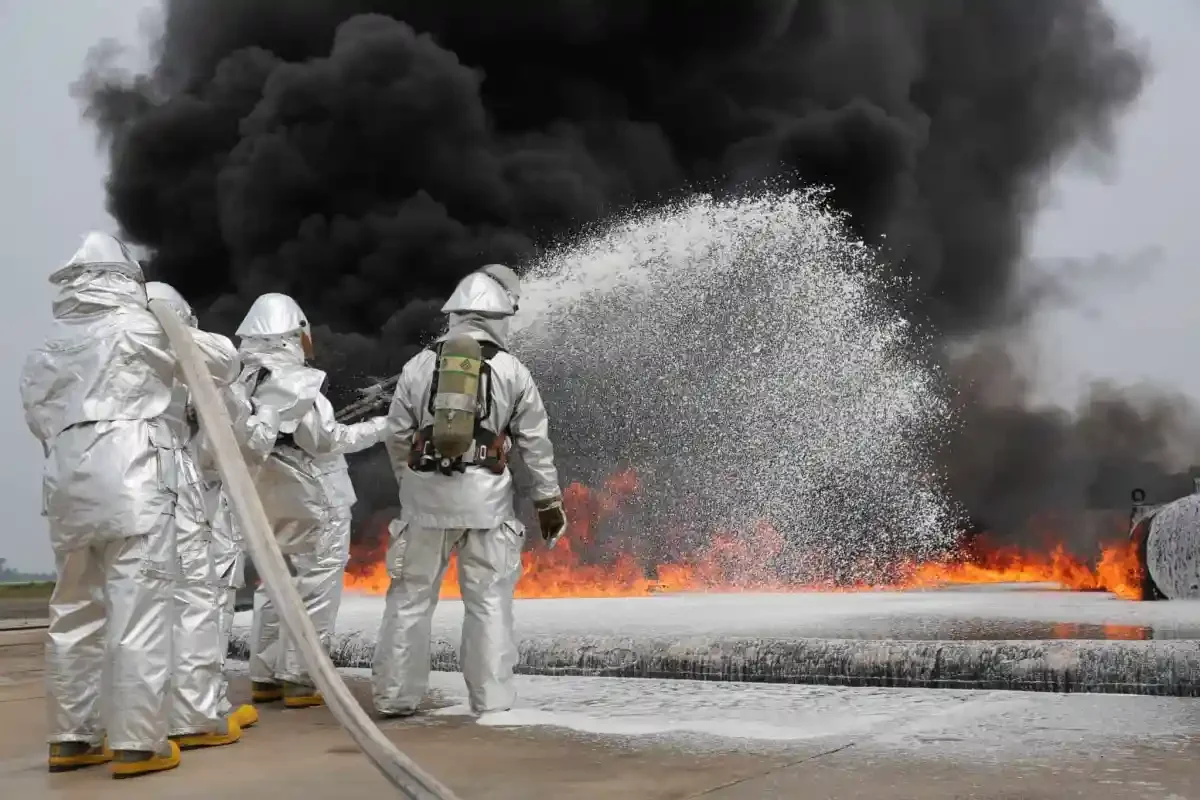
PFAS use in Firefighting
PFAS in Australian Drinking Water
Australian water utilities routinely test mains drinking water against the guideline values set out in the Australian Drinking Water Guidelines, and the large majority of mains supplies test well within those limits. The greater risk sits with private bores, tank water and groundwater in areas close to known contamination sites, where PFAS levels can be considerably higher than in treated mains supply. If you live near a defence base, airport or industrial site and rely on bore or tank water, testing is worth considering even if your local mains supply reports low levels.
PFAS Testing: How To Check Your Water
If you want to know whether your water contains PFAS, a certified laboratory test is the only way to get a reliable answer, since PFAS cannot be seen, smelled or tasted. Options include contacting your local water utility to request their most recent PFAS monitoring data, arranging a private laboratory test through an accredited environmental testing company, particularly important if you rely on bore or tank water, and checking your state environmental agency's website for published PFAS investigation results if you live near a known contamination site.
How To Reduce PFAS in Water at Home
Not every filter removes PFAS effectively, so it is worth checking certification before relying on one. Standard carbon jug filters typically only reduce PFAS levels partially. Filters using granular activated carbon or reverse osmosis, ideally certified to NSF or ANSI standards for PFAS reduction, are considered the most effective household options currently available. For households wanting filtration across every outlet, whole home water filtration systems can also use specialised media designed to target PFAS and other contaminants. You can learn more about Pure₂O Water Filtration and the filtration options available for Perth homes.
Have Questions About Your Water Filtration?
Send us a message and we’ll discuss the your best options for your home.
Frequently Asked Questions About PFAS
What Is PFAS in Water?
PFAS, or per and polyfluoroalkyl substances, are a group of manufactured chemicals that can enter water supplies through industrial discharge, landfill runoff and firefighting foam. They are called forever chemicals because they resist natural breakdown and can persist in the environment and the human body for years.
Is PFAS in Tap Water Dangerous?
Risk depends heavily on concentration and exposure over time. Most mains water supplies test within accepted safety guidelines, though ongoing research means those guidelines continue to be reviewed. Levels are generally higher in groundwater and private bores near known contamination sites than in treated mains supply.
How Do I Know if I Have PFAS in Water?
The only reliable way is laboratory testing, since PFAS has no taste, smell or visible presence. You can request monitoring data from your water utility, arrange a private lab test, or check state environmental agency reports if you live near a known investigation site.
Can Boiling Remove PFAS From Water?
No. Boiling does not remove PFAS and can actually concentrate it slightly as water evaporates. Effective removal requires filtration methods such as activated carbon or reverse osmosis rather than heat.
What Filter Removes PFAS Best?
Reverse osmosis systems and granular activated carbon filters certified for PFAS reduction are currently considered the most effective household options. Look for certification against NSF or ANSI standards specific to PFAS rather than general filtration claims.
