
How To Remove Chlorine From Tap Water
Chlorine is added to most municipal water supplies to kill bacteria and other pathogens, which makes tap water safe to drink but can also leave it tasting or smelling slightly like a swimming pool. If you are wondering how to remove chlorine from tap water, the good news is there are several effective methods, ranging from simple tricks you can try at home to dedicated filtration systems. In this guide, we cover why chlorine is added to water in the first place, how to tell if your water has too much of it, and the most reliable ways to filter, reduce or eliminate chlorine depending on your needs.
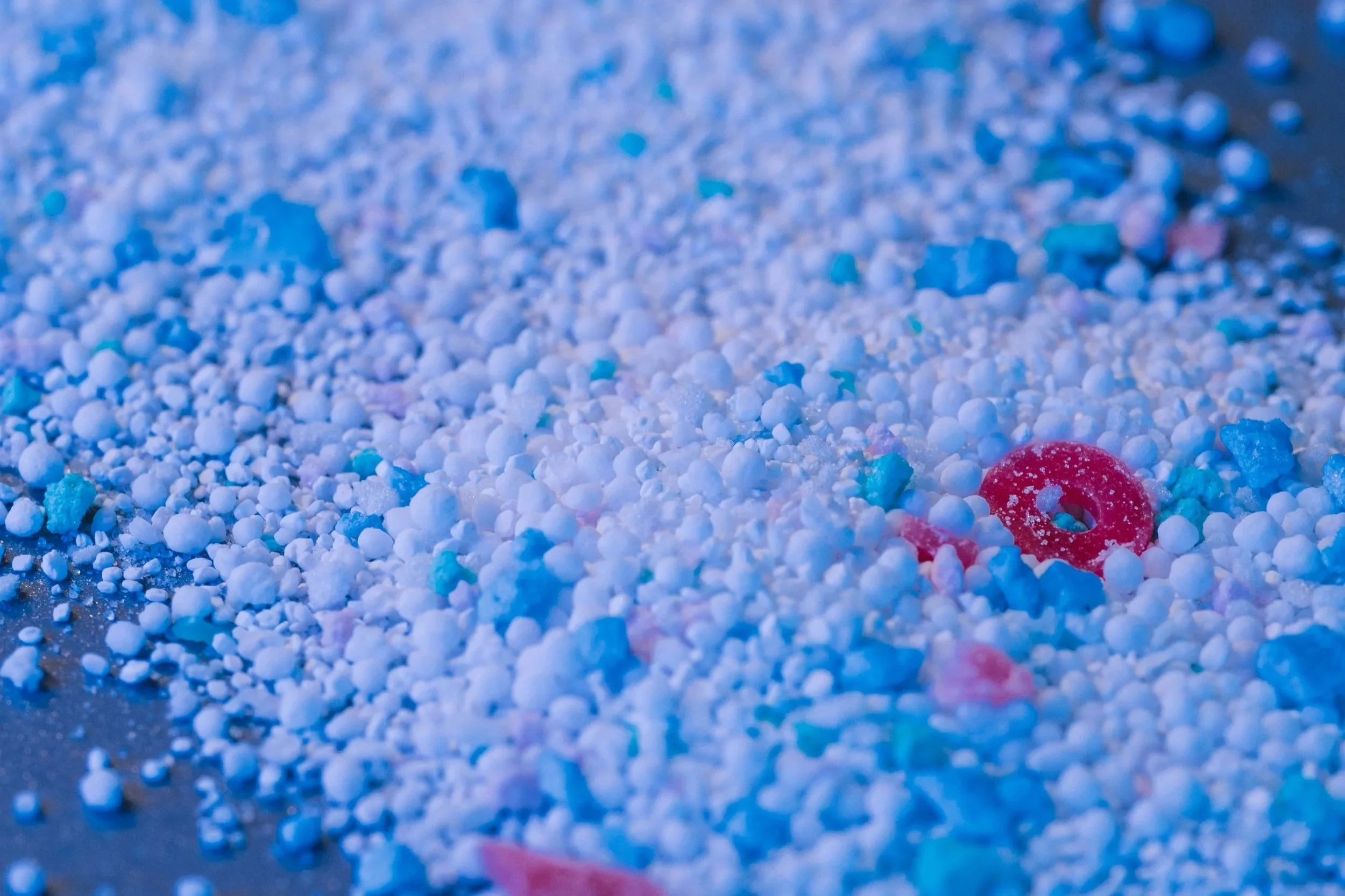
PFAS, also known as “Forever Chemicals”
Why Is Chlorine Added to Tap Water?
Water treatment plants add chlorine because it is an effective and inexpensive way to disinfect large volumes of water. It kills bacteria, viruses and parasites that could otherwise cause illness, and it continues working as water travels through pipes to your home, providing ongoing protection against contamination along the way.
Is Chlorine in Tap Water Safe to Drink?
At the low concentrations used in mains water, chlorine is considered safe to drink by health authorities. However, some people are sensitive to its taste and smell, and concerns about chlorine byproducts such as trihalomethanes have prompted many households to look into filtration as a precaution rather than a strict necessity.
Signs Your Tap Water Has Too Much Chlorine
A strong swimming pool smell straight from the tap
A sharp, slightly bleach like taste
Dry skin or irritated eyes after showering or bathing
A faint chemical smell that lingers on washed dishes or clothes
Chlorine Removal Methods: Quick Comparison
The table below gives you a fast overview of the main options before we look at each one in more detail.
| Method | Removes Chlorine | Removes Chloramine | Effort and Cost |
|---|---|---|---|
| Activated Carbon Filter (Jug or Tap) | Yes | Partially | Low cost, easy to use |
| Reverse Osmosis | Yes | Yes | Higher upfront cost, some wastewater |
| Boiling | Yes, given enough time | No | Free, but time consuming |
| Vitamin C Tablets | Yes | Yes | Very low cost, works fast |
| Whole House Filter | Yes | Depends on media | Higher upfront cost, treats every tap |
| Letting Water Sit (Off Gassing) | Partially | No | Free, slow and unreliable |
Five Ways to Remove Chlorine From Water
Each method suits a different situation, depending on whether you want a quick fix, a permanent solution or coverage across the whole home.
1. Activated Carbon Filtration
| Pros | Cons |
|---|---|
| Affordable, widely available, easy to install in a jug, tap or under sink unit | Standard carbon filters may not fully remove chloramine |
Activated carbon works by adsorbing chlorine molecules as water passes through it. It is the most common household method because it is inexpensive, requires no plumbing changes for a jug or countertop unit, and noticeably improves taste and smell within seconds.
2. Reverse Osmosis
| Pros | Cons |
|---|---|
| Removes chlorine along with a wide range of other contaminants | Higher cost, slower flow, produces some wastewater |
Reverse osmosis systems push water through a fine membrane, removing chlorine as well as dissolved minerals, heavy metals and many other contaminants. Most systems also include an activated carbon stage, so chlorine and its byproducts are addressed before water reaches the membrane.
3. Boiling
| Pros | Cons |
|---|---|
| No equipment needed, uses what you already have at home | Slow, uses energy, does not remove chloramine effectively |
Boiling water for around 15 to 20 minutes will drive off most of the chlorine as it evaporates. It is a reasonable emergency option, but it is impractical for everyday drinking water and much less effective against chloramine, which does not evaporate as readily.
4. Vitamin C (Ascorbic Acid) Neutralization
| Pros | Cons |
|---|---|
| Fast acting, inexpensive, effective on both chlorine and chloramine | Adds a small amount of ascorbic acid to the water, not a filtration method |
Vitamin C, in either powdered or tablet form, chemically neutralizes chlorine and chloramine within minutes. It is commonly used for filling baths or pools and as a dechlorinating step before water is used for sensitive purposes such as aquariums or gardening.
5. Whole House Filtration
| Pros | Cons |
|---|---|
| Treats every tap, shower and appliance in the home | Higher upfront cost and professional installation |
A whole house filter is installed where the main water line enters the property, so every outlet in the home receives filtered water. This is the most complete solution for households that want chlorine addressed everywhere, not just at the kitchen tap.


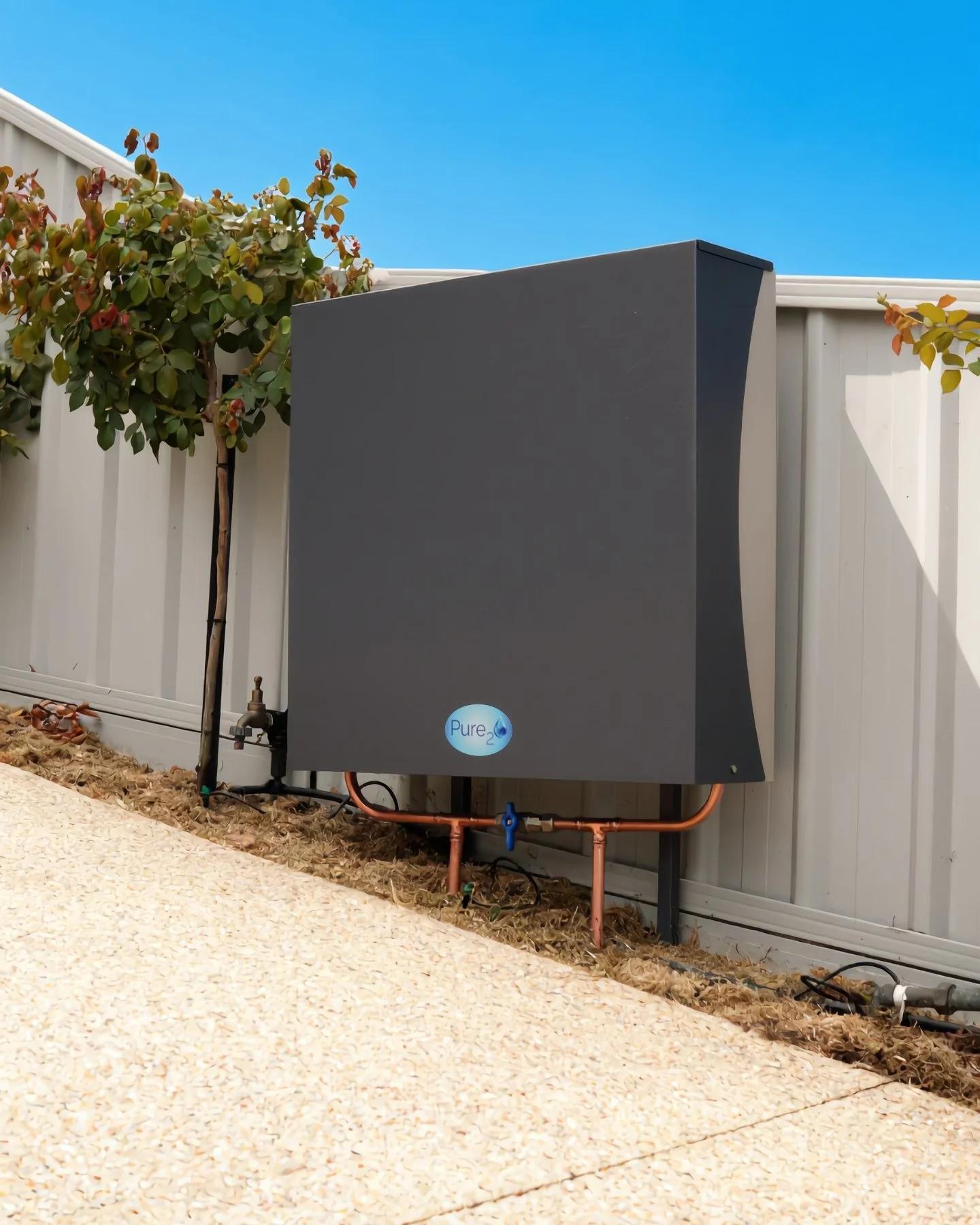
$2,695 (Supply Only - Australia-Wide)
Please enquire here if you require a supply & installation quote.
About The Pure₂O EnduraWall™ - Ironstone
Delivered Australia-wide. An upgraded enclosure for the Pure₂O whole-home filtration system, finished in Ironstone. The EnduraWall is built for the elements - a fully enclosed, double powder-coated stainless steel cabinet that hides all pipework for a clean, modern, and uniquely Australian look. Tamper-resistant and weatherproof, it protects all filtration components from Australia’s harsh sun, sand, and wind.
What’s Included:
Full Home Water Filtration System
Standard Three-Stage Whole House Filter Set | 20” x 4.5”
Free Delivery Australia-Wide
Filter Options
Standard Three-Stage Whole House Filter Set | 20" x 4.5" - removes sediment and reduces chlorine taste and odour (1 micron sediment, 1 micron carbon block, 0.5 micron polish).
Premium Three-Stage PFAS Whole House Filter Set | 20" × 4.5" - adds chloramine and PFAS reduction with upgraded filter media (1 micron nano silver sediment, 0.5 micron catalytic carbon, 0.2 micron polish).
Installation:
Enquire with our team to get a quote for a full installation (Greater Perth only)
- Live elsewhere? - Ask us about our recommended licensed plumber installers in your area
Product Specs:
Fully enclosed system - hides all pipework
Double powder-coated Stainless Steel
Available finish: Ironstone
Heavy-duty 20” Big Blue canisters - high-flow, food-grade and BPA-free
Three pressure gauges for easy maintenance
Tamper-resistant
WaterMark Certified
Compatible with all standard 20” x 4.5” filters
High-flow performance up to 75 L/m
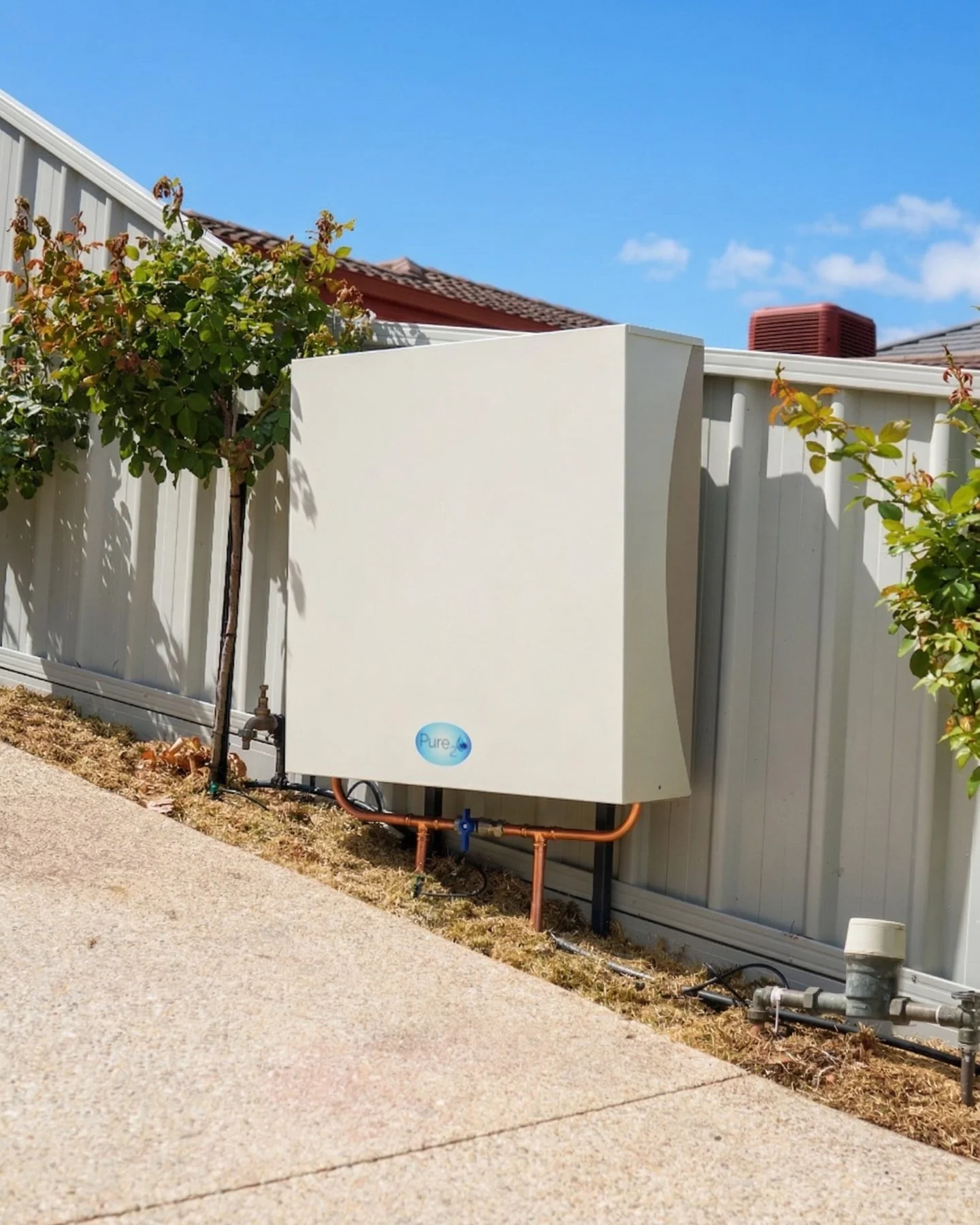
$2,695 (Supply Only - Australia-Wide)
Please enquire here if you require a supply & installation quote.
About The Pure₂O EnduraWall™ - Surf Mist
Delivered Australia-Wide. An upgraded enclosure for the Pure₂O whole-home filtration system, finished in Surf Mist. The EnduraWall is built for the elements - a fully enclosed, double powder-coated stainless steel cabinet that hides all pipework for a clean, modern, and uniquely Australian look. Tamper-resistant and weatherproof, it protects all filtration components from Australia’s harsh sun, sand, and wind.
What’s Included:
Full Home Water Filtration System
Standard Three-Stage Whole House Filter Set | 20” x 4.5”
Filter Options
Standard Three-Stage Whole House Filter Set | 20" x 4.5" - removes sediment and reduces chlorine taste and odour (1 micron sediment, 1 micron carbon block, 0.5 micron polish).
Premium Three-Stage PFAS Whole House Filter Set | 20" × 4.5" - adds chloramine and PFAS reduction with upgraded filter media (1 micron nano silver sediment, 0.5 micron catalytic carbon, 0.2 micron polish).
Installation:
Enquire with our team to get a quote for a full installation (Greater Perth only)
- Live elsewhere? - Ask us about our recommended licensed plumber installers in your area
Product Specs:
Fully enclosed system - hides all pipework
Double powder-coated Stainless Steel
Available finish: Surf Mist
Heavy-duty 20” Big Blue canisters - high-flow, food-grade and BPA-free
Three pressure gauges for easy maintenance
Tamper-resistant
WaterMark Certified
Compatible with all standard 20” x 4.5” filters
High-flow performance up to 75 L/min
How To Filter Chlorine From Water at a Single Tap
If your main concern is drinking and cooking water, a jug filter, tap mounted filter or under sink unit is usually the simplest option. These typically use activated carbon and can be installed in minutes without any plumbing changes, making them a good starting point before committing to a whole home system.
How To Filter Chlorine Out of Tap Water Throughout the Home
For households that want chlorine addressed at every outlet, not only the kitchen sink, a whole house filter installed at the point of entry treats water before it reaches showers, taps, appliances and laundry. You can explore our whole house filtration systems to see how this approach works across the home. This is particularly worth considering if you notice dry skin after showering or a strong chlorine smell throughout the house rather than just from drinking water.
How To Remove Chlorine in Drinking Water Fast
If you need chlorine free water quickly, vitamin C tablets are the fastest option, neutralizing chlorine within a few minutes when added directly to a jug or glass. A carbon filter jug is nearly as quick, typically improving taste within seconds of pouring water through it. Boiling works too, but it takes considerably longer and is better suited to occasional use than everyday drinking water.
How To Eliminate Chlorine From Tap Water for Showers and Baths
Chlorine exposure is not limited to what you drink. Showerhead filters use activated carbon or KDF media to reduce chlorine as water passes through, which can help with dry skin, irritated eyes and hair that feels dull after washing. For households looking to improve water quality beyond a single tap or shower, you can also explore Pure₂O’s home water filtration options. For baths, a vitamin C tablet dissolved in the water neutralizes chlorine within minutes, making it a popular choice for households with young children or sensitive skin.
Chlorine vs Chloramine: Does It Matter Which Method You Use?
Some water utilities use chloramine, a combination of chlorine and ammonia, instead of chlorine alone, because it lasts longer in the distribution system. Chloramine is more resistant to boiling and to standard carbon filters than chlorine is, so if your supplier uses chloramine, look for a filter rated for chloramine reduction, or use vitamin C neutralization, which is effective against both.
Have Questions About Your Water Filtration?
Send us a message and we’ll discuss the your best options for your home.
Frequently Asked Questions
How To Remove Chlorine From Tap Water?
The most reliable methods are activated carbon filtration, reverse osmosis, vitamin C neutralization and whole house filtration. Boiling and letting water sit will reduce chlorine to some degree but are slower and less effective, particularly if your supply uses chloramine.
Does Boiling Water Remove Chlorine?
Yes, boiling for around 15 to 20 minutes will remove most chlorine, since it evaporates as the water heats. It is far less effective against chloramine, which requires a different approach such as a catalytic carbon filter or vitamin C neutralization.
Is a Chlorine Filter Worth It?
For most households, yes. Even a basic jug or tap filter noticeably improves taste and smell, and a whole house filter extends that benefit to showers and appliances as well. The right choice depends on whether you want to address one tap or the entire home.
What Is the Fastest Way to Remove Chlorine From Water?
Vitamin C tablets are the fastest method, neutralizing chlorine within a few minutes. A carbon filter jug is nearly as quick, improving water almost immediately as it passes through the filter.
Do Water Filters Remove Chloramine As Well As Chlorine?
Not always. Standard activated carbon filters are effective against chlorine but may only partially reduce chloramine. Look for filters specifically rated for chloramine reduction, typically using catalytic carbon, or use vitamin C neutralization for guaranteed results against both.
