
When Should You Replace Your Water Filters? Complete Maintenance & Replacement Guide (2026)

You install a whole house water filtration system and feel relieved. For the first few months, your water tastes clean, your shower screens stay transparent, and your appliances run smoothly. Then, one morning, you notice the water pressure dropping at the kitchen tap. By the end of the week, the chlorine smell is back. Your once-pristine shower screen is already showing that stubborn white scale again.
Your filter didn't fail because the system is defective. It failed because Perth's water conditions are uniquely demanding, and you didn't replace the cartridges when they reached capacity. Understanding when and how to replace your water filters is the difference between a system that protects your home for years and one that becomes an expensive liability sitting unused in your garage.
This guide breaks down exactly when to replace your filters, how to identify failing cartridges before they damage your system, what each filter type does, and why professional replacement is the safest option for your home's water supply.
What Does a Water Filter Actually Do and When Does It Stop Working?
A water filter is not a permanent solution. It's a consumable designed to capture a specific load of contaminants before becoming saturated and losing effectiveness.
Think of it like the air filter in your car. Fresh out of the box, it catches dust efficiently. As months pass, particles accumulate, airflow restriction increases, and eventually the filter becomes so clogged it needs replacement. Water filters follow the same principle, except the consequences of ignoring a failing cartridge are more direct: Once a cartridge is exhausted, your water may return closer to unfiltered mains water, with reduced chlorine, taste, odour, sediment or scale-control performance.
Each stage of your filtration system has a specific job:
Stage 1 (Sediment Filter) captures physical debris: sand, silt, rust, and pipe scale.
Stage 2 (Carbon Block or Catalytic Carbon) removes chlorine, chloramine, VOCs, and chemical contaminants.
Stage 3 (Polishing Filter) delivers a final pass to catch remaining particles and fine sediment.
Once a filter reaches capacity, it can no longer adsorb or filter effectively. Water either bypasses the cartridge entirely (chemical bypass) or slows to a trickle (pressure drop). Neither scenario is acceptable for a Perth home relying on filtered water throughout the property.
How Perth's Water Conditions Affect Filter Lifespan
Perth is notoriously challenging for water filtration systems. Our area’s supply combines multiple stressors that accelerate cartridge wear:
High Sediment Load: Perth's aging water infrastructure and occasional main breaks introduce fine sediment into the supply. A sediment filter rated for 12 months in Sydney might exhaust in 8 months in Perth.
Extreme Mineral Hardness: Perth water contains elevated levels of calcium and magnesium; these minerals don't just create scale on your fixtures, they also clog filter media. These minerals accelerate the saturation rate of polishing filters, particularly in hard water zones like the northern suburbs.
Temperature Extremes: Perth's intense summer heat doesn't just stress your hot water system; it also affects filter performance. High water temperatures increase contaminant saturation rates and can degrade some carbon media faster than cooler climates allow.
Because of these conditions, a generic filter replacement schedule (like "replace every 12 months") is not sufficient for Perth homes. Your actual replacement interval depends on your specific location, water usage, and which filter stage we're discussing.
Signs Your Water Filter Needs Replacement: Don't Wait for Complete Failure
Rather than guessing when to replace your filters, watch for these specific warning signs:
Pressure Drop: The most obvious indicator. If water flow slows significantly at any tap, your sediment filter is likely clogged. A minor reduction (5-10%) is normal; a dramatic drop means replacement is overdue.
Return of Chlorine Smell: Your carbon filter is saturated. The distinctive chlorine or medicinal odour you noticed before installation is back. This is a clear sign the carbon has exhausted its adsorption capacity.
Taste Changes: Water tastes flat, "off," or has a chemical aftertaste. This indicates your polishing stage carbon block is no longer removing fine contaminants.
Visible Scale Buildup: Scale returning to shower screens, kettle elements, and taps means your polishing filter's anti-scale media is exhausted. Hardness minerals are passing through unfiltered.
Discoloration or Cloudiness: Brown or cloudy water suggests sediment is bypassing your first stage. This happens when the sediment filter is so clogged that pressure forces water around the cartridge rather than through it.
System Sounds or Vibration: Unusual noises from the filter housing indicate turbulent water flow caused by excessive clogging. This is a late-stage warning; replacement should have happened weeks prior.
Reduced Hot Water System Efficiency: Your carbon filter is saturated. The distinctive chlorine or medicinal odour you noticed before installation is back. This is a clear sign the carbon has exhausted its adsorption capacity. If you're experiencing skin irritation alongside odour return, a quality filter replacement can help restore water quality.
Understanding Filter Types and Their Replacement Intervals
Not all filters fail at the same rate. Each type has a specific lifespan based on Perth water conditions:
Sediment Filters (Stage 1)
What They Do: Capture physical particles down to 1 micron: sand, silt, rust flakes, and organic debris from aging water mains.
Typical Lifespan in Perth: 6–12 months, depending on location and household usage. Suburbs with older infrastructure (like Subiaco or Nedlands) may require replacement every 6–8 months. New developments with fresher mains may stretch to 12 months. For a detailed breakdown of how long whole house water filters actually last, check our comprehensive guide.
Signs of Failure: Visible discoloration in water, dramatic pressure drop, fine sediment in tap aerators.
Cost: $49–$59 for a universal 20" x 4.5" polyspun sediment cartridge (this is per individual cartridge).
Why Replacement Matters: A clogged sediment filter forces downstream carbon filters to work harder. Instead of pre-filtered water reaching your carbon stage, fine particles clog the carbon media, reducing its lifespan and effectiveness.
Carbon Block Filters (Stage 2)
What They Do: Remove chlorine, chloramine, volatile organic compounds (VOCs), and many dissolved chemical contaminants. Perth's scheme water is disinfected with chlorine, and a high-density coconut shell carbon block effectively reduces chlorine taste and odour.
Typical Lifespan in Perth: Standard carbon: 8–12 months; Catalytic carbon (PFAS-reduction): 10–14 months
The difference is density. Catalytic carbon is more tightly compressed, allowing longer contact time with water and better performance against Perth's specific chemical load.
Signs of Failure: Return of chlorine/chloramine smell, especially noticeable in hot showers. Taste changes. Water may taste metallic or "off."
Cost: Standard coconut carbon block: $85–$99; Catalytic carbon block (PFAS reduction): $120–$150
Why Replacement Matters: Once a carbon filter exhausts, chemical contaminants bypass directly into your home. This defeats the entire purpose of filtration and means chlorine taste, odour and other chemicals pass through unfiltered.
Polishing/Fine Filters (Stage 3)
What They Do: Final filtration stage that removes remaining fine particles, improves taste and clarity, and often includes anti-scale media to reduce mineral buildup.
Typical Lifespan in Perth: 0.5 micron carbon block: 12–18 months; 0.2 micron carbon block with anti-scale: 10–14 months
The anti-scale media (such as template-assisted crystallisation media) requires more frequent replacement in Perth's hard water environment because mineral saturation accelerates.
Signs of Failure: Scale returns to fixtures and appliances. Water clarity decreases. Taste doesn't improve despite earlier stage replacement.
Cost: Standard polishing filter: $99–$110; Anti-scale polishing filter: ~$140–$210
Why Replacement Matters: A failed polishing stage is deceptive. Your sediment and carbon filters may still be removing visible contaminants and chemicals, but fine mineral particles and dissolved solids slip through. You think your water is clean when it isn't.
Specialty Filters (If Applicable)
PFAS-Reduction Filters: Lifespan: 10–12 months; Cost: $120–$180
Chloramine-Specific Carbon: Lifespan: 10–14 months; Cost: $100–$150
Sediment + Antibacterial (Nano Silver): Lifespan: 8–10 months; Cost: $59–$75
These specialty cartridges suit customers who want additional protection against emerging contaminants such as PFAS, or homes on WA schemes that use chloramine. They should be replaced on schedule so the media continues performing as intended.
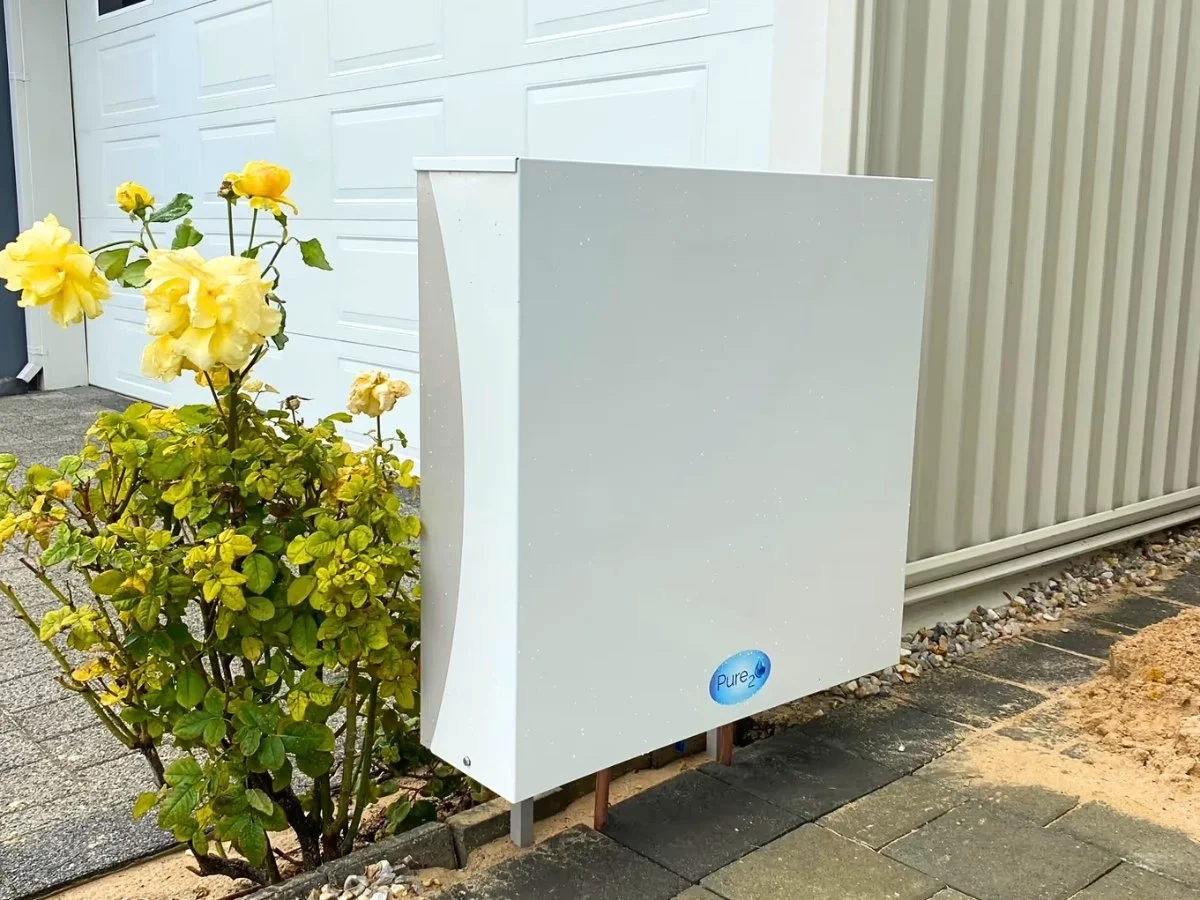
The Complete Filter Replacement Schedule for Perth Homes
Here's a practical timeline for a typical Perth household using a 3-stage Pure₂O system:
Stage 1 (Sediment Filter): Replace every 8–12 months (or sooner if pressure drops noticeably)
Stage 2 (Carbon Block): Replace every 10–14 months (sooner if chlorine smell returns)
Stage 3 (Polishing Filter): Replace every 12–18 months (sooner if scale returns)
Staggered vs. Full Replacement:
You don't need to replace all three stages simultaneously. Each filter has its own saturation rate. Replacing them staggered throughout the year:
Spreads maintenance costs
Ensures at least one filter is always fresh
Reduces the disruption of a full system replacement
However, if you notice the system is underperforming across all stages, a full replacement at once may be more practical.
Perth-Specific Adjustment:
If you live in areas with particularly hard water (northern suburbs, Rockingham), reduce all timelines by 2–3 months. If you're in a newer development with better water quality, you may extend sediment filter life to 12 months.
How to Replace Your Water Filters: Why Professional Installation Wins
You technically can replace filters yourself. Many cartridges are accessible under your house or in the garage. The process seems straightforward: turn off the water, unscrew the housing, swap the cartridge, and turn water back on.
Why Professional Replacement Is the Better Option:
A licensed plumber ensures your filters are installed correctly and your system performs optimally. Book a professional filter replacement appointment to get expert service.
System Pressure Management: When you open the filter housing, water pressure in the system doesn't automatically release. A technician knows how to safely depressurize the system before opening housings. If you are not confident in carrying out this process, we recommend getting a professional to do this.
Proper Cartridge Sealing: If the rubber gasket sealing the housing isn't seated correctly, water bypasses the new cartridge entirely. Professional plumbers have the tools and experience to ensure a perfect seal. A loose seal means contaminated water flows straight into your home without filtration.
System Flushing: When you swap a clogged sediment filter, loose debris can escape into your plumbing. Professional technicians flush the system after replacement, preventing sediment from clogging your hot water system or appliance inlets.
Water Quality Testing: A qualified technician tests the water before and after replacement, confirming the new filter is working. DIY installers don't have this verification.
Warranty Protection: Many systems include warranties that require professional maintenance. DIY replacement can void your warranty if something goes wrong, but it does depend on the brand of water filtration system you have and your warranty terms.
Time and Hassle: You need to turn off water to your entire home, crawl under the house, manage high-pressure water systems, and dispose of used filters properly. A licensed plumber completes the job in 1–2 hours with zero water damage risk.
What Professional Replacement Looks Like
A qualified plumber would typically follow this process:
Turn off water supply at the main stopcock
Open a tap to release system pressure safely
Open the filter housing (sediment stage first, then carbon, then polishing)
Remove the old cartridge and inspect for debris
Clean the housing interior to remove any trapped sediment
Install the new cartridge with proper gasket seating
Close the housing and check for leaks
Restore water pressure slowly to avoid air pockets
Test flow rate and water quality at multiple taps
Dispose of used cartridges responsibly
The entire process usually takes around 1–2 hours for a full 3-stage system.
Filter Replacement Costs and Long-Term Budget Planning
Annual Maintenance Cost for a 3-Stage Pure₂O System:
Assuming staggered replacement and Perth conditions:
| Filter Type | Cost | Frequency |
|---|---|---|
| Sediment (1 micron) | $49–$59 | Every 8–12 months |
| Carbon Block (1 micron) | $85–$99 | Every 10–14 months |
| Polishing (0.5 micron) | $99–$110 | Every 12–18 months |
| Professional Labour | $150–$200 | Per replacement visit |
Total Annual Cost:
If you replace one filter per quarter on average: $600–$750 per year (including labour)
Total 5-Year Cost:
$3,000–$3,750 in filters and labour
Comparison to Other Systems:
Systems using proprietary cartridges (Complete Home Filtration, some Puretec models) cost significantly more because:
The cartridges are only available through the manufacturer
Prices for proprietary filters can increase without notice
You're locked into a single supply chain
Pure₂O uses universal 20" x 4.5" Big Blue cartridges, which means:
Multiple suppliers across Australia
Competitive pricing
Freedom to shop around
No lock-in contracts
How to Monitor Filter Saturation: Pressure Gauges and Water Quality
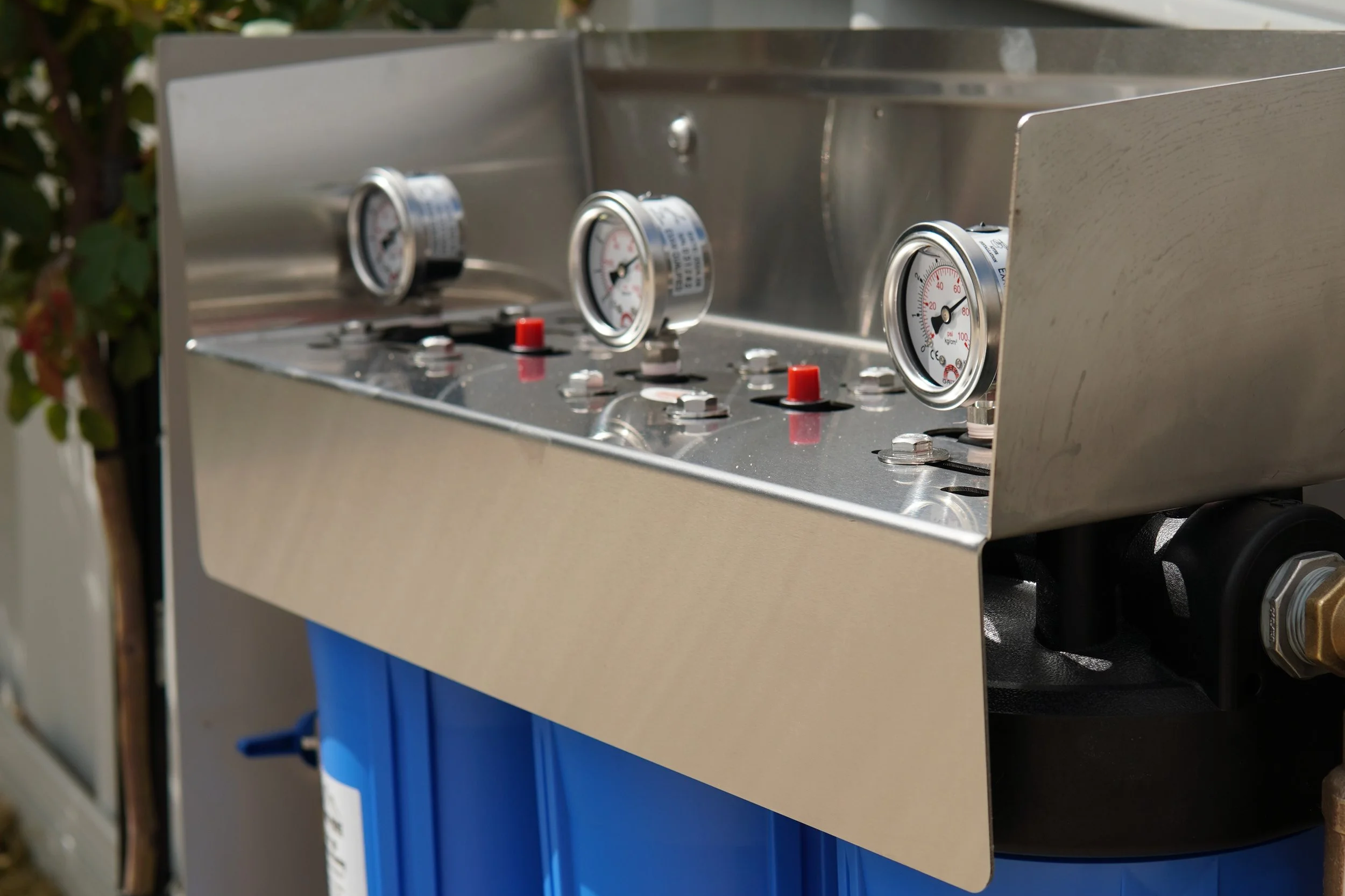
Water filtration system pressure gauges
Most modern whole house systems (including Pure₂O) include pressure gauges on each stage. These are your early warning system.
Reading Pressure Gauges:
Minimal pressure drop across a stage: Filter is functioning normally
Noticeable pressure drop across a stage (roughly 50–100 kPa): Filter is approaching saturation; schedule replacement within 2–4 weeks
Major pressure drop across a stage (100+ kPa) or reduced flow at your taps: Cartridge is severely restricting flow; replace immediately
If one stage shows a major pressure drop, don't ignore it. A restricted cartridge reduces flow throughout your home and puts strain on the system. Note: a high reading across all gauges usually means high incoming mains pressure - a separate plumbing issue that may require a pressure limiting valve.
Between Filter Changes:
Monthly checks:
Run water at multiple taps; note any pressure reduction
Smell water from the tap (return of chlorine = carbon filter failure)
Check shower screens for scale buildup
Listen for unusual system sounds
These simple checks catch filter failure early, before water quality degrades significantly.
Dispose of Used Filters Responsibly
Used water filter cartridges contain contaminants captured from your water supply and should not go in general household waste.
Disposal Options:
Return to Your Plumber: Most licensed plumbers dispose of cartridges as part of professional replacement service
Recycling Programs: Some councils in Perth offer filter cartridge recycling (check your local council)
Take-Back Schemes: Some filter suppliers operate take-back programmes; ask when you purchase replacements
General Waste: If no other option exists, wrapped cartridges in general waste are acceptable, but avoid this if recycling is available. Do not place used cartridges in kerbside recycling unless your council or supplier specifically accepts them.
Pure₂O Filter Options: Which Replacement Cartridges Are Right for You?
Pure₂O offers several replacement cartridge configurations. Here's how to choose:
Standard Three-Stage Filter Set | $199 (on sale from $229)

Best For: Homes where sediment and chlorine taste/odour are the main concerns
Includes:
1 micron polyspun sediment filter
1 micron coconut carbon block
0.5 micron polishing carbon block
Lifespan: 6–12 months per stage
Premium Three-Stage PFAS Filter Set | $349 (on sale from $437)

Best For: Homes concerned about emerging contaminants, chloramine reduction, and PFAS exposure
Includes:
1 micron antibacterial sediment filter (nano silver)
0.5 micron catalytic carbon block (PFAS & chloramine reduction)
0.2 micron carbon block with anti-scale control
Lifespan: 10–14 months per stage (premium media lasts longer)
WaterMark Certified
For any mains-connected whole-house filtration system, compliance matters. Pure₂O uses WaterMark-compliant components where required and licensed plumbing installation for Perth homes.
Individual Cartridge Replacements
If you prefer to replace stages individually rather than buying full sets, Pure₂O offers the following:
1 Micron Sediment Filter - $49 Add to cart
1 Micron Coconut Carbon Block - $85 Add to cart
0.5 Micron Coconut Carbon Block - $99 Add to cart
0.5 Micron Catalytic Carbon (PFAS) - $120 Add to cart
0.2 Micron Anti-Scale Carbon Block - $209 Add to cart
This flexibility means you only pay for the stages that need replacement, spreading costs throughout the year. Shop all filter cartridges to see individual and bundle options available for delivery across Australia.
How Often Should You Replace Filters? The Complete Answer
Sediment Filters: Every 8–12 months (more frequently if water is visibly discoloured)
Carbon Filters: Every 10–14 months (sooner if chlorine smell returns)
Polishing Filters: Every 12–18 months (sooner if scale returns to fixtures)
Full System Check: Quarterly pressure gauge inspection + monthly tap tests
Professional Service: At least once annually to ensure proper installation and system flushing
Next Steps: Schedule Your Filter Replacement or Buy Cartridges Today
Our Filtration Enquiry Process
If you've noticed a major pressure drop across a filter stage, your water smells like chlorine again, or it's been 12+ months since your last replacement, it's time to act.
Option 1: Professional Replacement
Book a licensed plumber to safely replace your filters and test water quality. We can connect you with trusted installers across Perth.
Book a Filter Replacement Appointment
Option 2: Buy Cartridges Online
Purchase standard or premium filter sets and replace at your own pace. We ship Australia-wide.
Option 3: Schedule a Water Quality Consultation
Unsure which filter set is right for you? Chat with our team about your specific water quality concerns and get a personalised recommendation.
Frequently Asked Questions About Water Filter Replacement
-
Not significantly. Even low-usage households should replace sediment filters annually because stagnant water in a saturated filter can develop bacterial growth. Replace on schedule regardless of usage.
-
Once a cartridge is exhausted, your water may return closer to unfiltered mains water, with reduced chlorine, taste, odour, sediment or scale-control performance.
-
Check your symptoms. Pressure drop = sediment filter. Chlorine smell = carbon filter. Scale on fixtures = polishing filter. Pressure gauges also indicate which stage is saturated.
-
Pure₂O uses universal 20" x 4.5" Big Blue cartridges, compatible with most standard whole house systems. However, confirm your housing size before ordering.
-
Yes, but we recommend consistent quality. Mixing budget and premium cartridges can create performance inconsistencies.
-
Yes, council treatment ensures water is safe for bacteria, but does not remove chloramine, sediment from aging pipes, or emerging contaminants like PFAS. Home filtration addresses these gaps.
-
1–2 hours for a full 3-stage system. Book an appointment and expect to be without filtered water for about an hour.
-
Standard cartridges remove sediment and chlorine. Premium cartridges use higher-density carbon, include antibacterial protection, and target emerging contaminants like PFAS and chloramine. Premium lasts longer and performs better in Perth's challenging water conditions.
-
Technically yes, but professional replacement is safer and maintains your warranty. Improper installation risks water damage, system failure, and voided coverage.
-
Ask your plumber; they typically handle disposal as part of the service. Alternatively, check with your local Perth council for recycling options.
